
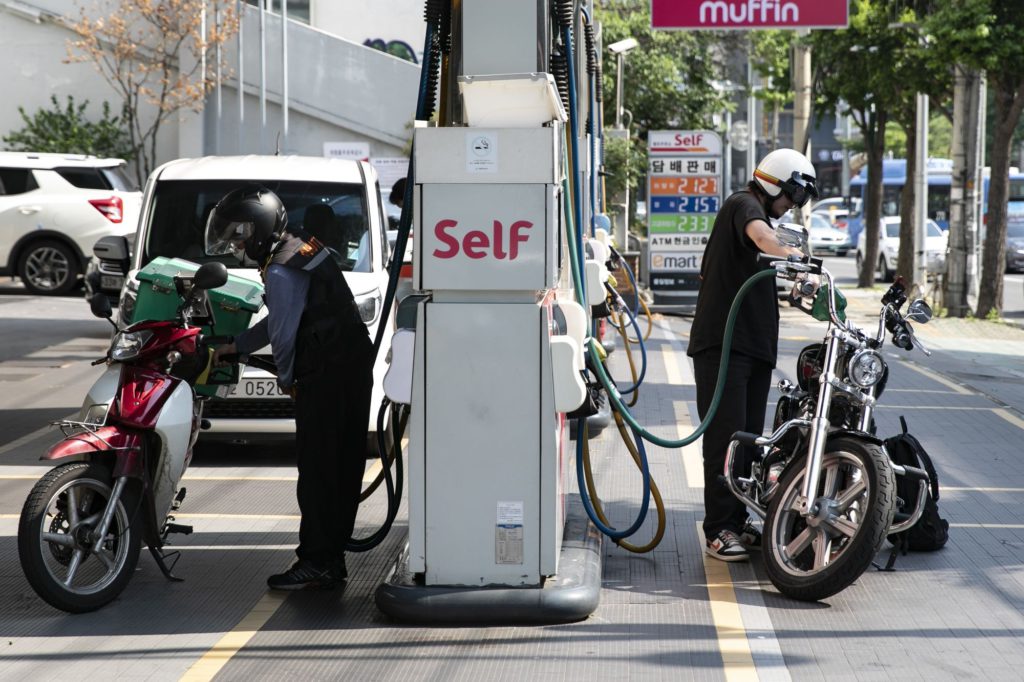
South Korea’s bonds are set to get a bigger boost from falling oil than their regional peers due to the relatively larger impact of energy prices on the nation’s inflation rate.
(Bloomberg) — South Korea’s bonds are set to get a bigger boost from falling oil than their regional peers due to the relatively larger impact of energy prices on the nation’s inflation rate.
Easing consumer-price pressures and slowing economic growth may contribute to a bounce back in the nation’s debt securities, which have handed out losses of more than 20% to dollar-based investors this year. Traders can also look toward a potential pullback in hawkish bets for the Bank of Korea, especially once the outlook for US interest rates stabilizes.
Korea’s inflation data is relatively sensitive to oil-price fluctuations due to the country’s heavy reliance on energy imports. In contrast, price gauges in economies such as Indonesia and Malaysia tend to be less responsive due to heavy government subsidies. Malaysia will be releasing August inflation figures on Sept. 23. Brent oil has slumped more than 30% from this year’s high amid concern global consumption is declining.
Expectations for Korea’s inflation to slow due to falling oil prices and potentially shrinking economic growth next quarter may see the central bank signal a slower pace of rate hikes as early as November, said Cho Yong-gu, a fixed-income strategist at Shinyoung Securities Co. in Seoul.
Aggressive Pricing
Korea’s one-year one-day swap is pricing in more than 100 basis points of rate hikes over the next 12 months, which would increase the central bank’s key rate to over 3.50%. At the same time, a Bloomberg survey of economists published last week forecasts a terminal rate of just 3% by year-end. Any pullback in the market’s relatively aggressive pricing may add to the bounce in bonds.
US inflation numbers for August published Tuesday were stronger than economists forecast, even as gasoline prices declined. The data pushed up bond yields across the globe, and saw traders fully price in another 75 basis-point rate hike by the Federal Reserve next week.
At the same time, consumer prices in Korea show early signs of peaking, with the annual inflation rate falling to 5.7% in August, the first time in 10 months it’s dropped below economists’ projections. That’s a positive for bond investors as it suggests the Bank of Korea’s rate-hike cycle may be nearing an end.
(Updates to add Malaysia inflation print date in the third paragraph)
More stories like this are available on bloomberg.com
©2022 Bloomberg L.P.