
(Bloomberg) — Stocks in Asia dropped Thursday as the rout in technology shares accelerated after the Federal Reserve signaled interest-rate hikes may be more aggressive than many had expected. Treasuries held losses.
An MSCI Inc. index of the region’s equities retreated for the third day in four with a gauge of tech shares among the worst performing. U.S. futures fluctuated after the Nasdaq 100 tumbled the most since March as rising Treasury yields added to concerns over growth and profitability. The S&P 500 retreated as traders increased bets U.S. rates will increase at least three times this year.
The yield on the U.S. 10-year note steadied. It had climbed to 1.71%, a level not seen since April. Overnight swaps markets moved to price in an 80% chance of a 25 basis-point hike at the Fed’s meeting in March. The dollar was little changed.
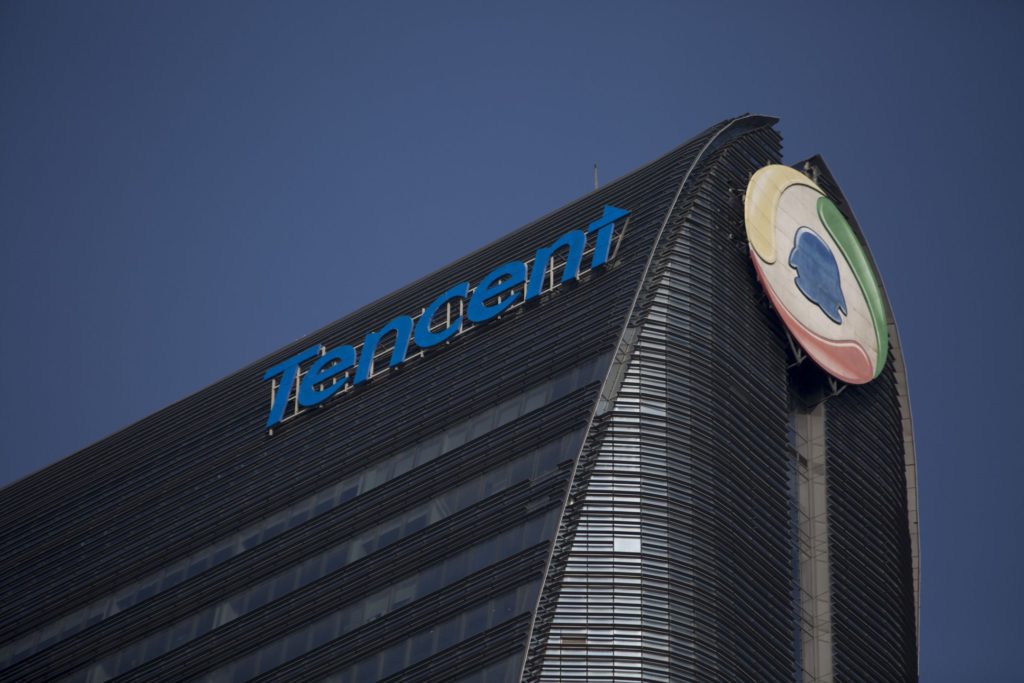
A selloff in Chinese tech companies continued on concerns firms will pare holdings amid Beijing’s regulatory crackdown on the sector. The Hang Seng Tech Index fell for a fourth day.
Investors fear tightening monetary policy will choke global growth and crimp company profits just as the omicron Covid variant leads to fresh curbs. Fed officials said a strengthening economy and higher inflation could lead to earlier and faster rate increases than expected, with some also favoring moves to shrink the balance sheet soon after.
“We are prepping people for volatility,” Carol Schleif, BMO Family Office deputy chief investment officer said on Bloomberg Television. “You had another record double-digit year and yet investors’ mood is pretty dour. We definitely think the readjustment of the volatility will increase this year because there is a lot to be dealt with.”
Meanwhile, restrictions are coming back in some places in the face of omicron. Hong Kong reimposed social curbs and halted flights from eight countries. Tokyo raised the alert level after reporting almost 400 new cases in one day. China brought in new restrictions for people traveling from the U.S. as cases there climb.
Elsewhere, Bitcoin tumbled to below $43,000, the lowest since its early-December weekend flash crash. Other cryptocurrencies also declined. Oil fell for the first time in four days.
The Philippine peso and Indonesia’s rupiah led Asian currencies lower. The Korean won slipped to the lowest since July 2020.
What to watch this week:
- Fed’s Bullard discusses the U.S. economy and monetary policy in an event on Thursday
- Fed’s Daly discusses monetary policy on a panel Friday
- ECB’s Schnabel speaks on a panel Saturday
For more market analysis, read our MLIV blog.
Some of the main moves in markets:
Stocks
- S&P 500 futures were little changed as of 12:15 p.m. in Tokyo. The S&P 500 fell 1.9%
- Nasdaq 100 futures fell 0.1%. The Nasdaq 100 fell 3.1%
- Topix index fell 1.4%
- Australia’s S&P/ASX 200 Index fell 1.9%
- Kospi index lost 0.5%
- Hang Seng Index fell 0.4%
- Shanghai Composite Index fell 0.4%
Currencies
- The Japanese yen was at 115.95 per dollar, up 0.1%
- The offshore yuan was at 6.3757 per dollar
- The Bloomberg Dollar Spot Index was little changed
- The euro was at $1.1316
Bonds
- The yield on 10-year Treasuries was at 1.71%
- Australia’s 10-year bond yield rose seven basis points to 1.86%
Commodities
- West Texas Intermediate crude fell 1% to $77.07 a barrel
- Gold was at $1,808.30
More stories like this are available on bloomberg.com
©2022 Bloomberg L.P.