
Super Typhoon Hinnamnor made landfall near the South Korean city of Geoje early Tuesday, potentially the most powerful storm in the nation’s history.
(Bloomberg) — Super Typhoon Hinnamnor made landfall near the South Korean city of Geoje early Tuesday, potentially the most powerful storm in the nation’s history.
Hinnamnor hit at 4:50 a.m. local time, Yonhap reported, citing the Korea Meteorological Administration. Earlier, the agency had warned that the storm could result in casualties.
Oil refiners, chemical operations and the nation’s oldest nuclear power plant began taking precautions with the typhoon expected to hammer the resort island of Jeju and the key industrial city of Ulsan on the country’s southeast coast after disrupting ports and air traffic across China and Japan.
“We’re now entering a phase where we have to minimize casualties,” Han Sang Un, the chief forecaster at Korea Meteorological Administration, said during a briefing Monday, urging residents of southern coastal areas to remain indoors, rather than to continue making last-minute preparations for the storm’s arrival.
“It’s a massive typhoon with a 400-kilometer (248.5-mile) radius, which is big enough to cover Seoul to Busan. Most regions in Korea will experience intense rain and wind,” he said. The typhoon is likely to impact southern coastal cities at about 7 a.m., according to the administration.
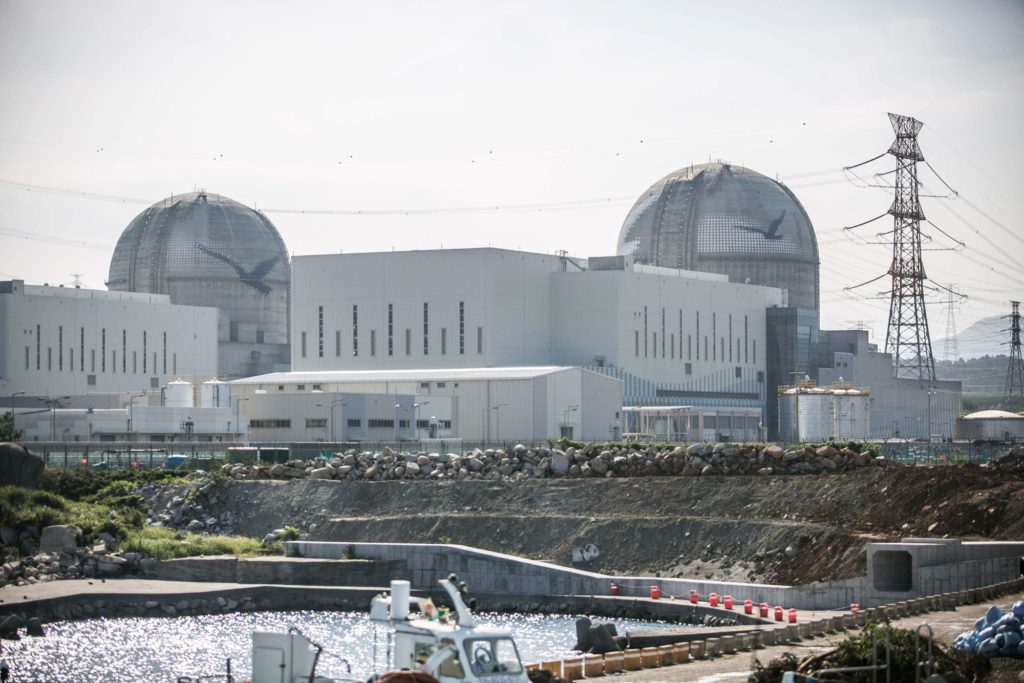
Run rates of three reactors at the Kori Nuclear Power Plant were lowered to less than 30% to prepare for the storm, while liquefied natural gas traders said they expected delays to some shipments to avoid the impact.
Several major industries confirmed they plan to suspend production early Tuesday. South Korea’s top steelmaker Posco Holdings Inc. will halt operations at its Pohang plant, LG Electronics Inc. will temporarily close plants in Gumi and Changwon Tuesday, as will Hyundai Steel Co. and shipbuilders including Daewoo Shipbuilding & Marine Engineering Co. and Hyundai Heavy Industries Co.
Oil refiner SK Innovation Co. earlier suspended crude vessels from entering its Ulsan port and is working on securing backup power at the plant, a company spokesman said. GS Caltex Corp. evacuated ships to a safety zone, and LG Chem Ltd. is operating under an emergency response plan with strengthened safety monitoring of its plants in Yeosu and Ulsan.
State-owned Korea Electric Power Corp. was taking measures to ensure a stable supply of electricity. Subsidiary Korea Hydro & Nuclear Power Co. lowered output at the Kori nuclear plant preemptively to guard against any abrupt disruptions if reactors are directly impacted by Hinnamnor.
President Yoon Suk Yeol said the government will stay on its toes to protect the lives and safety of citizens, while the country’s Finance Minister Choo Kyung-ho said there is a concern that the worsening weather may impact consumer prices at a time when inflation remains high.
Hinnamnor has already disrupted port operations, airline services and schools across Asia since developing last month. Shanghai’s major container port of Yangshan briefly halted terminal operations, while South Korea’s Busan and Ulsan ports have closed. Korean Air Lines Co. and Asiana Airlines Inc. canceled more than 170 domestic flights for Monday and Tuesday, and some airline arrivals and departures in the Japanese prefecture of Okinawa were also scrapped. Some schools in both South Korea and China will be closed for safety reasons.
Almost 200 residents in coastal areas of Busan, the nation’s second most populous city, were asked Monday to evacuate to shelters, while stores at Marine City in the Haeundae beach district were told to temporarily close.
(Updates headline and first two paragraphs with landfall)
More stories like this are available on bloomberg.com
©2022 Bloomberg L.P.